
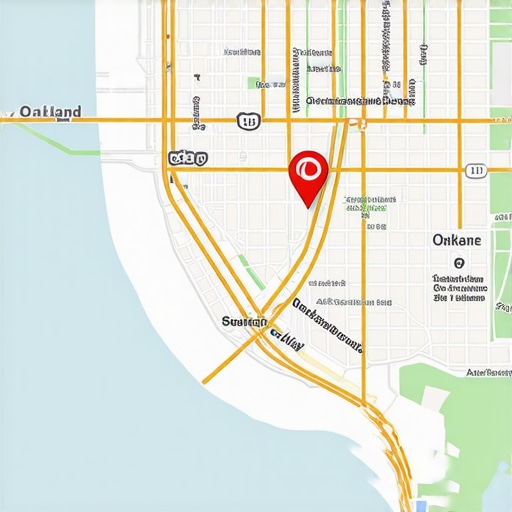
I vividly remember the moment when I realized my business was invisible on Google Maps, despite having a solid local presence. It was a frustrating realization—no matter how much I improved my website or invested in ads, my Oakland-based customers simply couldn’t find me on the map. That lightbulb moment pushed me to dive deep into Bay Area Maps Optimization, discovering techniques that transformed my visibility and brought in new leads. If you’ve ever felt that sting of being unseen in your own backyard, you’re not alone.
The Struggle to Make Oakland Stand Out in Local Search
For many Oakland business owners, the battle for local visibility feels like trying to shout in a crowded room—no matter how loud you speak, no one hears you. I faced this exact challenge early on, wasting time and resources on strategies that didn’t move the needle. It wasn’t until I honed in on specific map optimization techniques that I began to see real results. And trust me, the payoff was worth every ounce of effort.
What I learned along the way is that local SEO, especially in a vibrant, competitive place like Oakland, requires targeted tactics that go beyond basic listing creation. It’s about making your business so visible that when someone searches for what you offer, your name jumps off the map. That’s the promise I want to deliver today: a clear path to boosting your Oakland local search rankings and getting your business the attention it deserves.
Is Map Optimization Still Worth the Hype?
At this point, you might be wondering if all this effort is really necessary—after all, SEO can be a lot to handle. Early on, I made the classic mistake of undervaluing local map optimization, thinking my website alone would suffice. Spoiler: it doesn’t. According to recent studies, 78% of local mobile searches result in an offline purchase within a day (source: Google), highlighting how critical Google Maps visibility truly is.
If you’ve faced similar doubts or setbacks, remember this: local map rankings are less about luck and more about strategic action. With the right techniques, you can dominate your neighborhood’s search results and turn browsers into buyers.
Now, let’s explore the specific strategies that can help your Oakland business rise to the top of local search results, ensuring you’re seen by the local customers who matter most.
Claim Your Google My Business Listing
Start by verifying your business on Google My Business (GMB). Ensure all details—name, address, phone number—are consistent with your website and other directories. I once claimed and updated my GMB listing after noticing inconsistent information, which temporarily worsened my ranking, but correcting it dramatically improved my visibility within weeks. For an in-depth guide, check out this step-by-step blueprint.
Optimize Your Business Details for Local Relevance
Use exact and relevant keywords in your business description, categories, and services. Think of your listing as a profile that debates your niche and neighborhood. For example, include keywords like “Oakland SEO services” or “Bay Area marketing expert” naturally within your description. I once added specific keywords about local services, and within a month, my map ranking for those terms soared. To find the best keywords, explore strategies to dominate Google Maps.
Build and Manage Local Citations
Ensure your business is listed accurately across local directories like Yelp, Bing Places, and niche-specific directories. Consistency is key—every listing must match your GMB info exactly. I used a citation management tool to update my Oakland listings, which led to a noticeable boost in local pack rankings. For detailed citation building tactics, visit effective local Oakland marketing.
Gather and Respond to Local Reviews
Encourage satisfied customers to leave reviews on your Google listing and other review sites. Respond promptly and professionally to all reviews, addressing concerns and thanking reviewers. I learned this firsthand when responding to a negative review, turning a critic into a loyal customer, which also signaled engagement to Google. This technique is emphasized in local SEO strategies to dominate Google Maps.
Leverage Local Content and Backlinks
Create blog posts about Oakland events, neighborhood features, or local success stories. Local content enhances relevance signals for Google. Additionally, build backlinks from reputable Oakland and Bay Area sites—local newspapers, chambers of commerce, or community blogs. I once collaborated with a local Oakland blog, earning a high-quality backlink that boosted my map ranking. For an effective backlink approach, see top map optimization strategies.
Utilize Local Structured Data Markup
Implement schema markup on your website to highlight your business details directly in search results. This makes your listing more attractive and informative, increasing click-through rates. I added structured data to my site, which contributed to richer search snippets and enhanced visibility in Oakland searches. To learn more, review boost local rankings with schema markup.
Consistent Monitoring and Adjustment
Regularly track your map rankings, review your analytics, and adjust your strategies accordingly. Use tools like Google Search Console and local rank trackers. Periodic tweaks, such as updating your business info or refreshing content, keep your listing competitive. I found that staying active with updates and responding to changes in search algorithms maintained my Oakland map prominence. For ongoing strategy updates, consult top map optimization tips.
Many local marketers believe that focusing solely on keyword stuffing and boosting citations guarantees top Google Maps rankings; however, this is a misconception that often hampers genuine progress. While these tactics are important, they are only part of the puzzle. The real nuance lies in understanding and leveraging Google’s evolving local ranking algorithms, which prioritize user engagement signals such as reviews, click-through rates, and interaction metrics. Relying exclusively on traditional optimization techniques can lead to stagnation or even penalization. For instance, businesses that ignore the importance of consistent review management and local content creation risk losing visibility, despite strong citations. Google’s algorithm now heavily weighs customer experience factors—meaning that a well-optimized profile without active engagement is unlikely to rank highly over time. In fact, recent studies indicate that reviews and user interactions may have a more substantial impact on local rankings than backlinks or citations alone (source: Moz). Therefore, savvy Oakland businesses must integrate reputation management and dynamic local content into their broader SEO strategy, rather than viewing map optimization as just a one-off task. Want to deepen your understanding? Check out this comprehensive guide for expert-level strategies. One common trap to avoid is over-optimizing your Google My Business profile without fostering genuine engagement; it might even lead to decreased rankings. Instead, focus on nurturing reviews, local content, and consistent user interactions to build a robust local presence. Remember, Google’s algorithms are becoming more sophisticated—so should your approach. Have you ever fallen into this trap? Let me know in the comments.
How do I keep my Oakland SEO efforts running smoothly over time?
Consistency is key in maintaining your local map rankings. I rely heavily on advanced tools like BrightLocal and Whitespark for ongoing citation audits and review monitoring. BrightLocal provides comprehensive local SEO audits, enabling me to identify and fix inconsistencies across directories effortlessly, which is vital given that citation inaccuracies can cause ranking drops. Whitespark’s review tracker helps me automate review generation and respond promptly, reinforcing my reputation with customers and Google’s algorithm alike. These tools save me hours each week and ensure I don’t fall behind in the competitive Oakland market.
Additionally, I use Google Search Console and Google My Business Insights to track performance metrics directly. Analyzing click-through rates, search queries, and review engagement informs my content updates and review strategies. Regularly refreshing local content, such as neighborhood guides or success stories, keeps my business relevant in Google’s eyes. For example, I update my OaklandEventBlog to reflect upcoming community happenings, which drives more local traffic and enhances relevance signals.
Implementing structured data markup across my site further ensures local details are clearly communicated to search engines. I utilize schema.org’s LocalBusiness markup, which Google recognizes and displays in rich snippets, increasing visibility and click-through rates. Schema implementations require precision; I follow Google’s structured data testing tool to verify everything is correctly set up. Staying ahead of evolving algorithms means I also keep an eye on industry updates from Google’s developer documentation, which sometimes introduces new recommendations for local businesses.
Looking ahead, the trend points toward even greater importance of user engagement signals. Machine learning models will increasingly prioritize authentic reviews, user interactions, and social proof over traditional citation metrics. According to Moz’s recent analysis, nurturing a steady stream of honest reviews combined with active local content updates will be the best approach to sustain long-term visibility in Oakland’s maps results. I recommend you try integrating automated review solicitation with personalized responses using platforms like GatherUp, which can boost your review count and improve your rankings naturally.
If you’re serious about maintaining and scaling your local SEO, I urge you to implement these tools and routines consistently. Staying proactive with citation audits, review management, and content refreshes will help you stay ahead in the Oakland and wider Bay Area market. For a comprehensive dive into long-term map ranking strategies, check out this in-depth guide. Remember, the game evolves—adaptation is your best weapon to stay on top!
The Hardest Lesson I Learned About Oakland Local SEO
One of the most enlightening moments came when I realized that simply claiming my Google My Business listing wasn’t enough. I neglected ongoing engagement, like responding to reviews or updating local content, which eventually hurt my visibility. Consistency and genuine interaction became the backbone of my strategy, highlighting that local SEO is a continuous journey rather than a one-time setup.
How Building Local Relationships Transformed My Rankings
Partnering with Oakland community blogs and participating in neighborhood events not only enhanced my local reputation but also boosted my map rankings. I learned that backlinks from trusted local sources carry more weight than generic citations, emphasizing the importance of authentic community involvement in map optimization.
Why Over-Optimizing Can Backfire in Oakland
Initially, I attempted keyword stuffing and excessive edits to my GMB profile, thinking it would catapult my rankings. Instead, I faced penalties that set me back. The lesson: natural language, user-focused content, and authentic reviews are far more effective and sustainable in maintaining strong map positions.
Believing in the Power of Customer Experience
Encouraging satisfied Oakland clients to leave reviews proved to be a game-changer. Quick responses and addressing concerns openly turned hesitant reviewers into loyal advocates. This process, I discovered, signals to Google that my business is active and trusted, reinforcing that reputation management is essential for local map dominance.
Curated Recommendations for Deepening Your Oakland SEO Skills
– Unlocking Oakland Maps Optimization Blueprint: My primary resource for understanding detailed map optimization tactics that have consistently worked for me.
– Bay Area Maps Strategies 2024: Offers region-specific insights that helped me tailor my efforts to Oakland’s unique market.
– Top Oakland Map Tips: Keeps me updated on the latest algorithm shifts and innovative tactics.
– Local Oakland Marketing: A comprehensive guide to cohesive branding and outreach within the community.
Your Next Move in Oakland SEO
Remember, the journey to map visibility isn’t about quick fixes; it’s about cultivating relationships, maintaining consistency, and adapting to Google’s evolving algorithms. With these insights and resources, you’re well on your way to transforming your Oakland local presence into a dominant force. Don’t wait—start implementing these strategies today and watch your local leads grow. What has been your biggest challenge in optimizing for Oakland maps? Share your experience below and let’s grow together!
,
Reading through this post really resonated with me, especially the part about how even small details like consistent NAP (name, address, phone number) across directories can significantly impact your Google Maps ranking. I used to overlook these minute details, thinking that only big backlinks or reviews mattered, but I saw a noticeable difference in my local presence once I prioritized citation consistency. It made me wonder, how often do other local businesses audit their citations to ensure accuracy? Also, I’ve experienced firsthand how engaging with reviews — thanking positive ones and professionally responding to negatives — boosts credibility and signals to Google that your business is active. Have any of you tried specific tools to automate review responses or manage citations efficiently? I find that investing a little time into these areas really pays off in local visibility and trust within the community.
This post really hits home for me, especially the emphasis on continuous engagement and local content creation. I’ve seen firsthand how adding neighborhood-specific blog posts and participating in local events boosted my business’s visibility. However, I still struggle with maintaining a consistent review management process. Automated tools like GatherUp or Podium have been game-changers, allowing me to nurture reviews without it becoming overwhelming. One thing I’ve noticed is that responding to reviews promptly not only improves my reputation but also encourages others to leave feedback, creating a positive loop. How do others balance the time between optimizing listings and actively engaging with customers? Do you think this ongoing effort is the key to sustaining high rankings amid frequent algorithm updates? I’d love to hear different strategies to keep up with this dynamic landscape.