
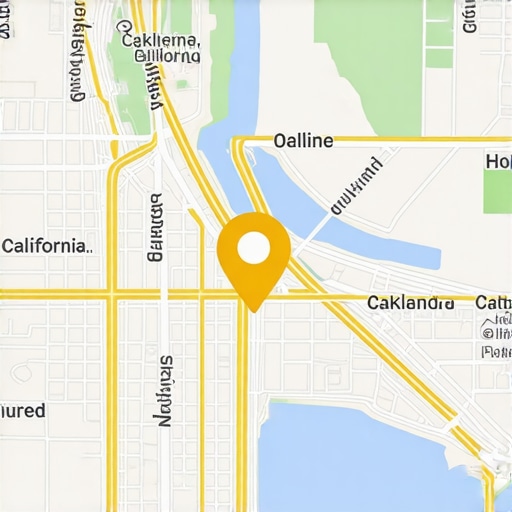
Imagine this: You’ve poured your heart into your Oakland business, but your Google Maps listing? It’s barely making a ripple. You check your competitors, and they’re everywhere—more reviews, better rankings, more calls. I’ve been there. The lightbulb moment came when I realized that without proper local SEO, my business was just a needle in a haystack. The good news? There’s a proven path to turn things around, and I’m here to share it with you.
Why Local Maps Optimization is a Game-Changer for Oakland Businesses
Ever wonder why some local businesses dominate Google Maps while others struggle to get noticed? It’s no accident. The digital landscape has shifted, and local search is now the frontline of customer discovery. According to BrightLocal, 78% of local mobile searches result in an offline purchase within 24 hours. That’s huge. If you’re not optimizing your Oakland map listings, you’re leaving money on the table. This is exactly why I got serious about local SEO—because I saw firsthand how strategic map optimization can skyrocket visibility and leads.
Is It Really Worth the Effort to Optimize Maps?
When I first started, I thought, “Does this stuff really matter?” I made the classic mistake of ignoring my Google My Business profile, thinking reviews and basic info were enough. Spoiler: They’re not. The real secret lies in understanding that map rankings are dynamic, and small tweaks can make a big difference. If you’re skeptical, I get it. But trust me, with the right tactics—like consistent NAP info, engaging photos, and local keyword targeting—you can climb the ranks fast. Want to see how others are doing it? Check out this step-by-step blueprint.
Claim Your Google My Business Listing
Start by claiming and verifying your Google My Business (GMB) profile. This process is like setting a storefront sign—if you don’t claim it, potential customers won’t find you easily. During my first attempt, I made the mistake of skipping verification, which kept my listing hidden. Once I completed the verification, I gained control and could optimize it for better rankings. For a detailed walkthrough, visit this blueprint.
Optimize Your Business Details Carefully
Ensure your Name, Address, and Phone number (NAP) are consistent across all platforms. Think of NAP as the foundation of your local SEO house; if it’s shaky, everything else collapses. I once had a typo in my address, causing confusion and dropping my ranking. Regularly audit your NAP info using tools like Moz Local or BrightLocal. Accurate, consistent data helps Google trust your listing and boosts your visibility. Check out this guide for more tips.
Use Local Keywords Strategically
Incorporate keywords that your Oakland customers are searching for. For example, instead of generic terms, use phrases like “Oakland coffee shop” or “best vegan restaurant in Oakland.” I once added keywords to my business description and saw my rankings climb within weeks. To find the right keywords, use tools like Google Keyword Planner or Ubersuggest. For tailored keyword strategies, explore this resource.
Post Regularly with Engaging Content
Keep your profile active by posting updates, offers, or events regularly. Think of it as leaving breadcrumbs for Google to follow—each post signals that your business is active and relevant. When I posted weekly updates about new products, my engagement and local rankings improved noticeably. Use high-quality photos and clear descriptions to attract attention. For inspiration, see this article.
Collect and Respond to Reviews Promptly
Reviews are social proof that can sway potential customers and influence your rankings. I made it a habit to ask satisfied clients for reviews after each service. Responding to reviews, whether positive or negative, shows that you care. This interaction boosts your credibility and local SEO. Don’t forget to include relevant keywords naturally in your responses. For comprehensive review strategies, check this guide.
Build Local Citations and Backlinks
Listings on local directories like Yelp, TripAdvisor, and industry-specific sites enhance your authority. Think of citations as votes of confidence in your business. I prioritized consistent NAP data across directories and gained a slight but steady boost in rankings. Additionally, earning backlinks from reputable Oakland blogs or local news sites can significantly improve your visibility. For effective backlink tactics, see this article.
Monitor and Adjust Your Strategy
Use tools like Google Analytics and GMB insights to track your progress. If certain keywords or posts aren’t performing, tweak your approach—try different keywords, update photos, or refine your business info. I learned this the hard way when I ignored analytics and missed opportunities for improvement. Regular monitoring is crucial for sustained growth. For advanced tactics, explore this resource.
Many Oakland business owners enter the local SEO arena with assumptions that can actually hinder their progress. One widespread misconception is that simply claiming your Google My Business listing and adding some basic information is enough to rank high on Google Maps. In reality, this is just scratching the surface. Advanced SEO requires a nuanced approach, including consistent NAP data, strategic keyword integration, and ongoing reputation management. For instance, neglecting your reviews or failing to update your business hours during holidays can cause your ranking to plummet unexpectedly. In fact, this guide dives deep into the hidden tactics that separate top performers from the rest.
What Are the Pitfalls of Over-Optimizing for Keywords?
It’s tempting to stuff your profile with every relevant keyword, thinking more is better. However, over-optimization can backfire, leading to search engine penalties or a spammy appearance that deters customers. The key is to integrate keywords naturally within your descriptions, posts, and responses. Google values authenticity and user experience over keyword density. According to Moz, over-optimization is a common beginner mistake that can cause long-term harm, so aim for a balanced, user-focused approach rather than keyword stuffing.
Another often overlooked nuance is the importance of local relevance over generic optimization. While it’s good to include keywords like “Oakland restaurant,” you should also emphasize local community involvement, event participation, and local partnerships. This builds authority and signals to Google that your business is a vital part of the Oakland ecosystem. This article explains how to leverage local signals for better rankings.
Most people don’t realize that review management isn’t just about getting reviews; it’s about responding strategically. Responding to reviews with relevant keywords and local references can boost your relevance signals to Google. But beware of fake reviews or overly scripted responses, which can trigger penalties or damage your credibility. Authenticity remains king—your responses should be genuine, helpful, and community-oriented.
Finally, an often unnoticed aspect is the impact of citation consistency. Many overlook the importance of maintaining uniform NAP details across all directories and platforms. Discrepancies can confuse Google and diminish your local relevance. Regular audits using tools or manual checks are crucial. For more advanced strategies, visit this resource.
In summary, effective Oakland map optimization involves understanding these hidden nuances and avoiding common traps. It’s about quality, consistency, and genuine engagement rather than just ticking boxes. Have you ever fallen into this trap? Let me know in the comments.
Keeping Your Local SEO Engine Running Smoothly
Once you’ve optimized your Oakland business’s Google Maps listing and started seeing results, the real challenge is maintaining that momentum. SEO isn’t a set-it-and-forget-it task; it requires consistent effort and the right tools to keep your local rankings climbing. Over the years, I’ve refined my approach with specific software and methods that ensure my business stays visible and competitive.
Essential Tools for Ongoing Map Optimization
My go-to tool for tracking local rankings is BrightLocal. I rely on it daily to monitor my Google My Business rankings, review performance, and identify fluctuations. Its localized keyword tracking helps me spot emerging trends before competitors do, which is crucial for maintaining top spots. Additionally, Moz Local is invaluable for auditing NAP consistency across directories. I use it monthly to ensure my business info remains uniform, preventing Google confusion and ranking drops.
For review management, I prefer GatherUp. It simplifies the process of requesting reviews from satisfied customers and automates responses. I’ve found that personalized, timely replies—especially those naturally incorporating local keywords—significantly boost my reputation and relevance signals to Google.
Automating and Streamlining Your Efforts
Automation tools like Zapier have become part of my routine, connecting my review platforms, social media, and analytics dashboards. For example, I set up workflows to automatically post updates or promotional offers based on customer interactions. This consistent activity signals Google that my listing is active, which is a key ranking factor.
Regular content updates, such as new photos or local event posts, can seem time-consuming. To streamline this, I use Canva for quick, professional graphics, making it easy to keep my profile fresh. Consistency is vital; I aim to post at least weekly to maintain high engagement levels and signal relevance.
Where Is Local SEO Heading in the Future?
Looking ahead, the integration of AI and machine learning will likely make local ranking factors even more sophisticated. Predictive analytics could soon help identify potential ranking drops before they happen, allowing proactive adjustments. Staying ahead means adopting these emerging tools early. For instance, I recommend exploring new AI-driven review analysis platforms that can detect sentiment shifts and suggest strategic responses. To get started, check out this resource for insights into future trends.
How do I maintain my local rankings over time?
The key is consistency. Regularly audit your NAP info, monitor review quality, and stay active with local content. I schedule monthly check-ins using BrightLocal and Moz Local to catch any discrepancies early. Also, keep engaging with your community through local partnerships and event participation—Google values local relevance above all. Remember, the landscape evolves, so staying informed about new tools and algorithm updates is crucial. A great way to do this is by subscribing to reputable local SEO blogs and attending industry webinars.
Implementing these tools and strategies will help you sustain and even grow your Oakland business’s visibility. Don’t overlook the importance of routine maintenance; it’s what separates long-term winners from those who slip back into obscurity. Ready to take your local SEO game to the next level? Start by integrating an automated review management system today and watch your rankings stabilize and improve.
The Hardest Lesson I Learned About Local Maps Optimization
One of my biggest realizations was that relying solely on claiming my Google My Business profile without ongoing engagement was a trap. I thought once I set it up, my work was done. Turns out, local SEO demands continuous updates, review management, and strategic tweaking. Skipping these steps slowed my progress and taught me that persistence beats quick fixes every time.
How Ignoring Community Signals Can Cost You
Initially, I underestimated the power of local relevance. I didn’t participate enough in community events or local partnerships, missing out on valuable backlinks and signals. The lesson? Google loves when your business is woven into the fabric of Oakland’s community. Building genuine local relationships can dramatically boost your visibility and trustworthiness in local searches.
Why Authenticity Trumps Keyword Stuffing
I learned the hard way that over-optimizing with keywords can backfire. Instead of stuffing my profile, I focused on creating honest, engaging descriptions and responses. Authenticity fosters trust and aligns with Google’s evolving algorithms. When I started responding genuinely to reviews, my rankings improved faster than with keyword spam.
My Essential Toolkit for Local Map Success
- BrightLocal: I use it daily for tracking rankings and managing reviews. Its insights help me stay ahead of competitors.
- Moz Local: Ensures my NAP info remains consistent across all directories, preventing ranking drops.
- GatherUp: Simplifies review collection and response, boosting my reputation and relevance signals.
- Canva: For quick, professional content updates that keep my profile fresh and engaging.
Keep Moving Forward with Confidence
Local SEO isn’t a one-and-done task; it’s a journey. By learning from my mistakes and embracing a strategic, community-focused approach, you can elevate your Oakland business’s visibility and attract more local customers. Stay curious, adapt quickly, and never underestimate the power of genuine engagement. Ready to accelerate your local success? Dive into the full Oakland Maps Blueprint to unlock your business’s potential. Check out the blueprint here.
This post really hits home for me because I’ve experienced how overlooked local SEO can be a real game-changer, especially in a competitive market like Oakland. When I first started focusing on my Google Maps listing, I underestimated the power of regular updates and review management. Once I began actively engaging with customers through responses and posting local content, my rankings noticeably improved. I find that consistency is everything—especially when it comes to NAP data and responding to reviews promptly. Has anyone tried automating review requests or posting updates? I’d love to hear what tools or strategies others have found effective for maintaining engagement without it becoming overwhelming.